Transforming Mental Health Care
In Malawi, mental health conditions affect an estimated 1 in 4 people, yet mental health services remain severely underfunded and stigmatized. Many communities lack the language, understanding, and resources to address mental health challenges.
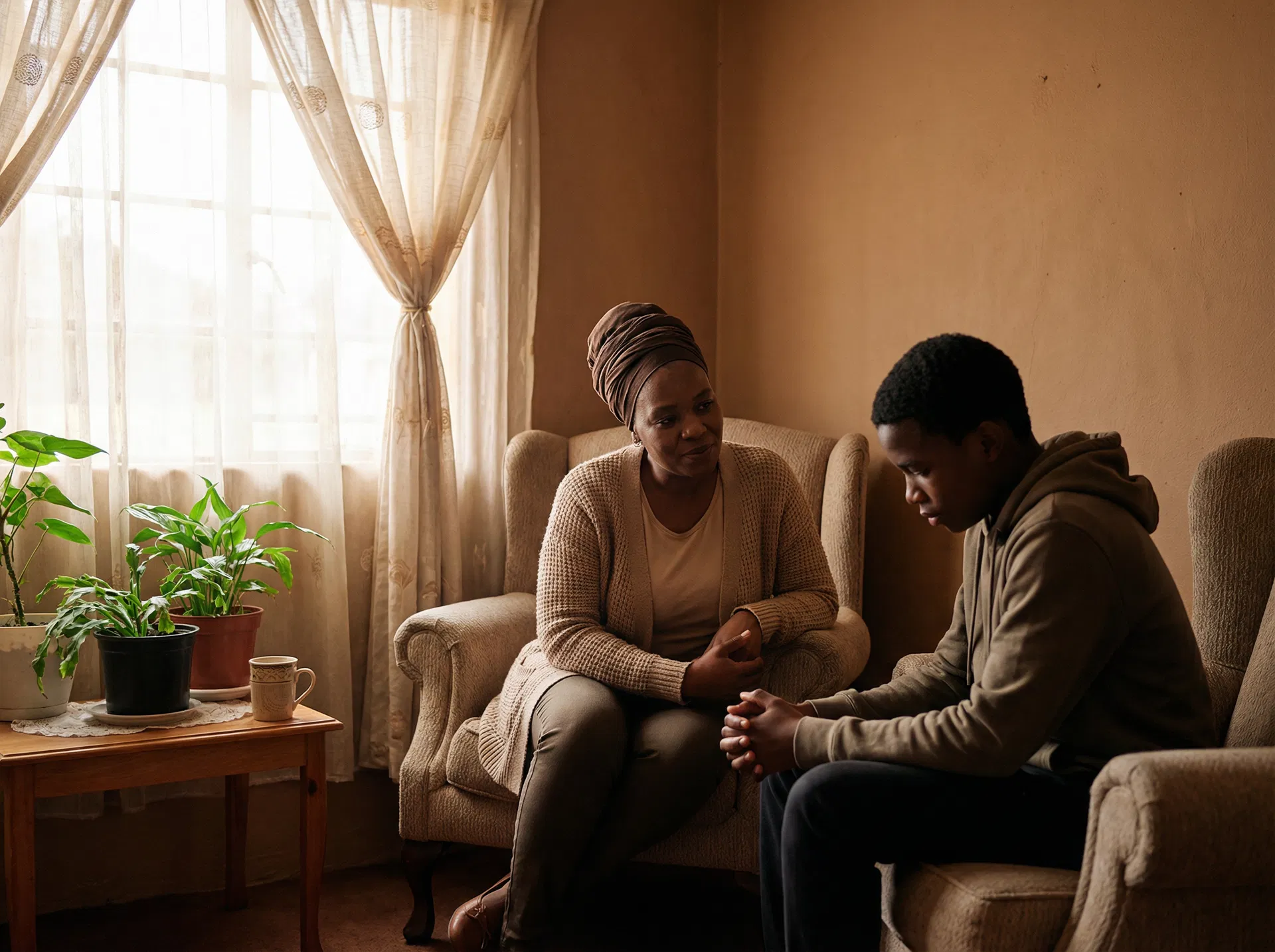
Our Mental Health program works at the intersection of education, community engagement, and advocacy to create an environment where mental health is understood, discussed openly, and treated with the same urgency as physical health.
We focus particularly on young people in schools, where mental health challenges often first emerge, and on training community leaders to become mental health champions who can support those in need.
What We Address
Our mental health program tackles stigma, builds awareness, and creates support systems through education, community engagement, and policy advocacy.
Mental Health Awareness in Schools
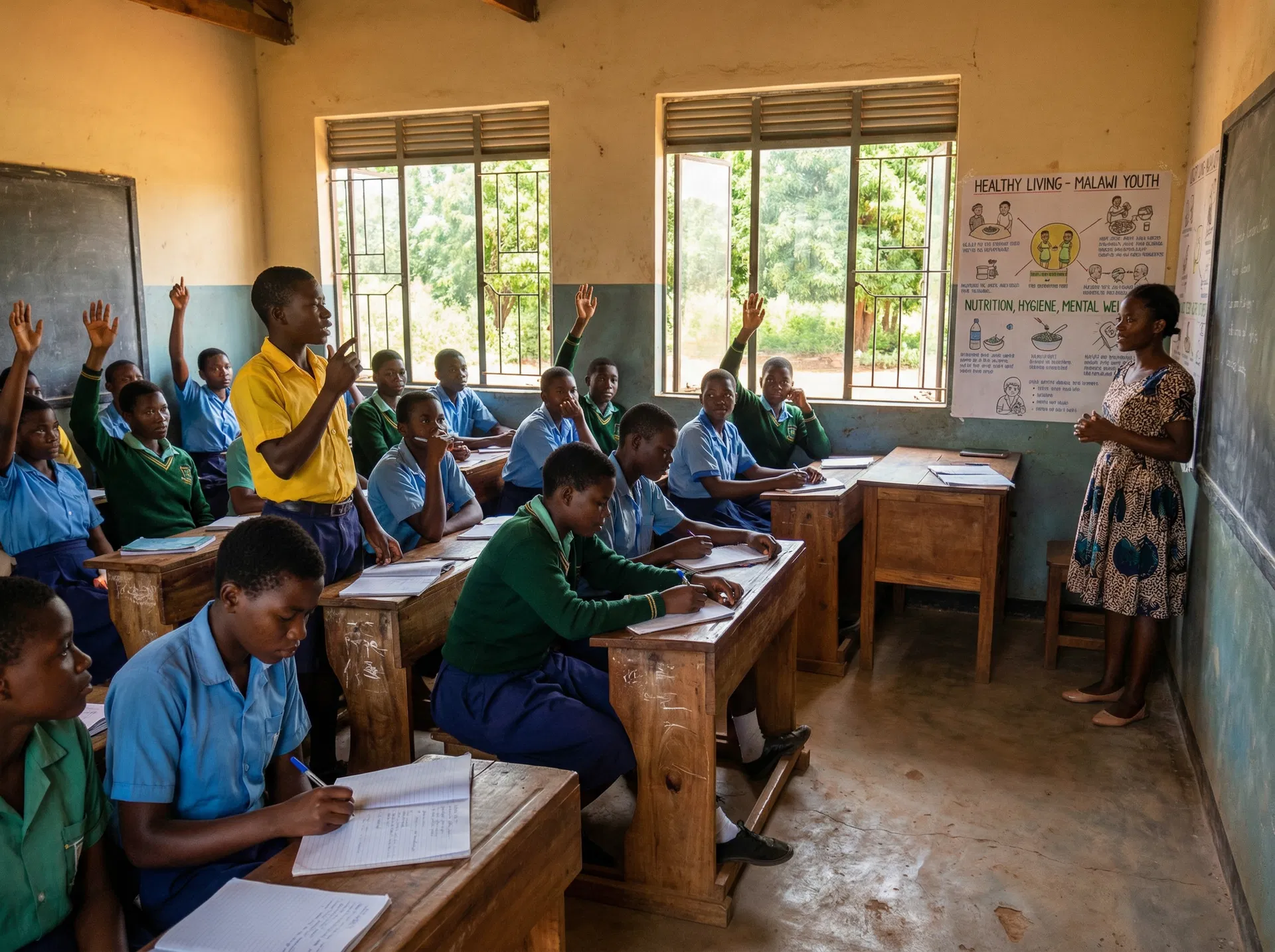
Integrating mental health education into school curricula and training teachers to recognize and respond to student mental health needs.
Community Psychosocial Support
Building community-based support systems that provide safe spaces for people to discuss mental health challenges without judgment.
Peer Support Groups
Facilitating peer-led support groups where individuals can share experiences and coping strategies in a supportive environment.
Anti-Stigma Media Campaigns
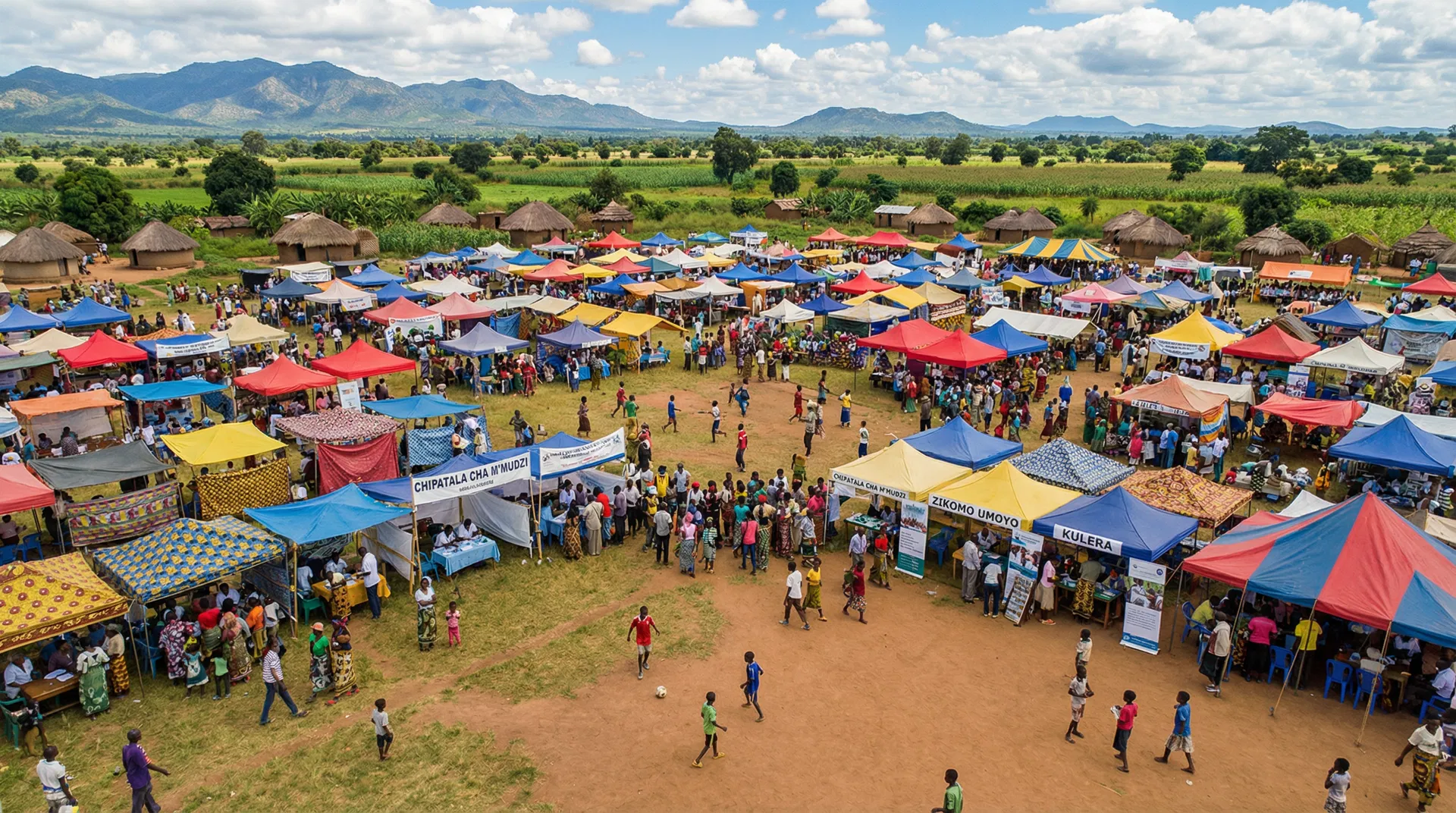
Using radio, social media, and community events to challenge misconceptions and normalize conversations about mental health.
Policy Advocacy
Advocating for improved mental health policies, increased funding, and better integration of mental health into primary healthcare.
How It Works
We use a community-centered approach that combines school interventions, community workshops, and media campaigns to normalize mental health conversations.
School-Based Interventions
Training teachers and school counselors as mental health first responders, establishing school mental health clubs, and integrating wellbeing into the learning environment.
Community Workshops
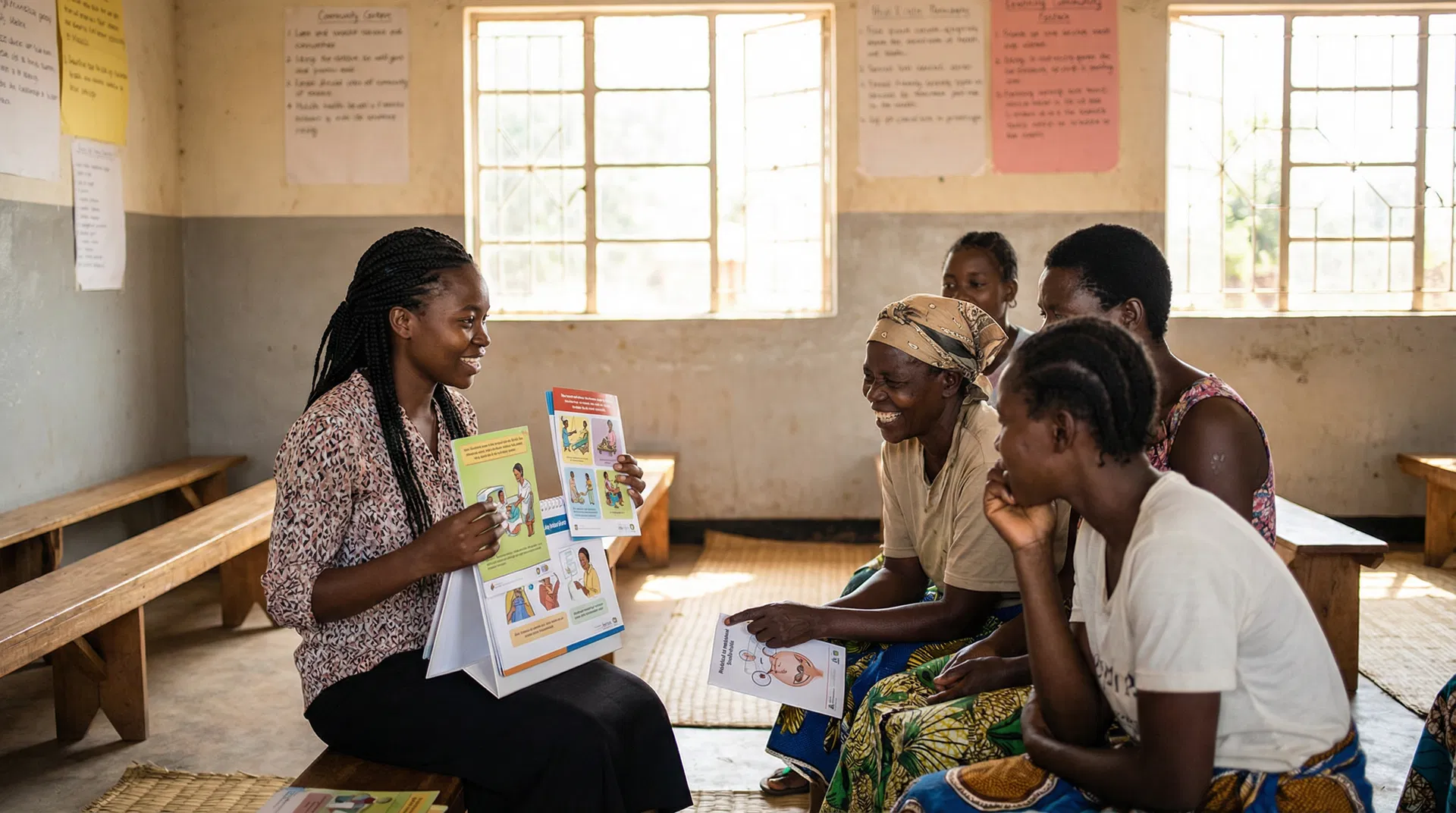
Conducting mental health awareness workshops in communities, engaging traditional leaders, and training community health workers to identify and refer mental health cases.
Dialogue & Storytelling
Creating platforms for open conversations about mental health through community dialogues, personal testimonies, and storytelling that reduces stigma.
Capacity Building
Training community leaders, health workers, and educators in Mental Health First Aid to create a network of support across communities.
Program Objectives
- Break the silence and stigma surrounding mental health in Malawi
- Train teachers and community leaders as mental health first responders
- Establish peer support networks in schools and communities
- Advocate for improved mental health policies and funding
- Promote early identification and referral of mental health conditions
- Integrate mental health awareness into community health programs
Program Impact
Our mental health program is creating lasting change in how communities understand and respond to mental health.
3,500+
Students Reached With Mental Health Education
200+
Teachers Trained as Mental Health First Responders
30+
Schools With Active Mental Health Programs
10
Districts With Mental Health Awareness Campaigns
Why It Matters
Mental health is not a luxury — it is a fundamental aspect of overall health and wellbeing. In Malawi, where mental health services are scarce and stigma runs deep, community-based approaches are essential.
"Mental health is not about being broken — it is about being human. When we talk about it, we heal together."
The LHI Mental Health Program Vision
Help Us Break the Silence on Mental Health
Your support helps us train more mental health first responders, reach more schools, and create safe spaces for communities to talk about mental health.